

Photo provided by DepositPhotos
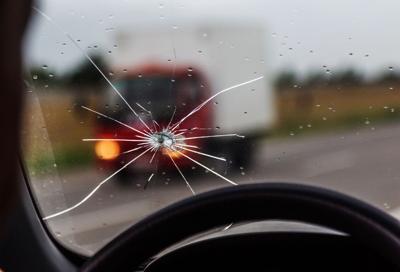
A cracked windshield is easy to ignore. It may start as a small chip from flying gravel or a thin line creeping across the glass. For many drivers, it feels cosmetic.
Federal safety research suggests it may be more than that.
The National Highway Traffic Safety Administration reports that visibility is a contributing factor in thousands of crashes each year. Crash data does not isolate cracked windshields as a separate category, yet it clearly shows that anything that obstructs a driver’s view increases risk.
That includes damaged auto glass.
More Than a Surface Imperfection
Modern windshields do more than block wind and debris. They are structural components built into a vehicle’s safety system.
People are also reading…
Research from the Center for Injury Research shows that windshields contribute to roof strength in rollover crashes. In some vehicles, the glass also supports proper airbag deployment by helping maintain cabin integrity during impact.
A spreading crack may alter the performance of that component under stress.
Small chips can also distort light. At night, glare from headlights may scatter through damaged areas. During sunrise or sunset, refracted light can reduce visual clarity. What appears minor in daylight can become distracting in low-light conditions.
Debris, Weather, and Expansion
Windshield damage often begins with debris on the road. The AAA Foundation for Traffic Safety has documented the role of loose material in traffic incidents. Gravel and road fragments regularly strike vehicles, creating small impact points.
Temperature shifts can turn those small chips into larger cracks. Heat causes glass to expand. Cold causes contraction. Repeated cycles of expansion and contraction place stress on weakened areas, allowing damage to spread.
Hail and high winds, documented by federal weather agencies, add another layer of exposure in certain regions.
A New Layer: Safety Sensors
Windshields now house cameras and sensors that power advanced driver-assistance systems, including lane departure warnings and automatic emergency braking.
These systems rely on unobstructed sensor views. Damage within the camera’s field of vision may affect performance.
This technological shift raises the stakes. A cracked windshield may affect not only driver visibility but also the functionality of onboard safety features.
When a Cosmetic Issue Becomes a Safety Question
Glass damage remains common. Data from the Insurance Information Institute shows that weather events and road debris contribute significantly to auto insurance losses nationwide.
A single chip does not always require immediate replacement. Left untreated, it can expand. Larger cracks may obstruct sightlines or weaken the windshield’s structural role in a crash.
Professional windshield replacement may become necessary when damage compromises structural integrity or affects sensor alignment.
A Broader Safety Conversation
Vehicle safety discussions often center on seat belts, airbags, and driver behavior. Windshield condition rarely receives the same scrutiny.
Yet auto glass sits at the intersection of visibility, crash performance, and sensor-based technology. As vehicles incorporate more camera-driven systems and as environmental factors continue to influence roadway conditions, the condition of a windshield carries implications beyond appearance.
A cracked windshield may seem minor. Federal crash and infrastructure data suggest it can intersect with larger safety concerns. Viewing windshield maintenance through that lens reframes it from a cosmetic fix to a component of overall vehicle safety.
The glass in front of the driver is not just a window. It is part of the system designed to protect everyone inside.
This content is provided for informational purposes only by the contributor and contains links to third-party websites or services that are not owned or controlled by the publisher, Lee Enterprises. The views, thoughts and opinions in this contributor content belong solely to the writer.