
If you make a purchase after clicking on links within this article, Lee Enterprises may earn affiliate commissions. The news and editorial departments had no role in the creation or display of this content.
Shilajit resin in 2026 sits at the intersection of tradition and analytical science, and most brands still lean far too heavily on the former. A jar of dark resin may look authentic, but the real value lies in its quantifiable biochemistry:
• Fulvic acid (the primary transporter and bioavailability driver)
• DBPs (the mitochondrial + testosterone-linked actives)
• Humic fractions & trace minerals (the metabolic co-factors)
The problem?
Some resins rely on sourcing mythology and ignore the one thing that may really matter in 2026: active-compound verification.
People are also reading…
A resin without published fulvic acid percentages, DBP levels, and contaminant testing is not a performance supplement – it’s a gamble.
This ranking isolates the only shilajit resins worth using today: one capsule strong enough to replace resin entirely, one resin with true analytical rigor, and one traditional resin that maintains quality despite lacking advanced standardization.
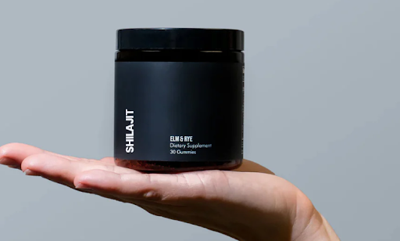
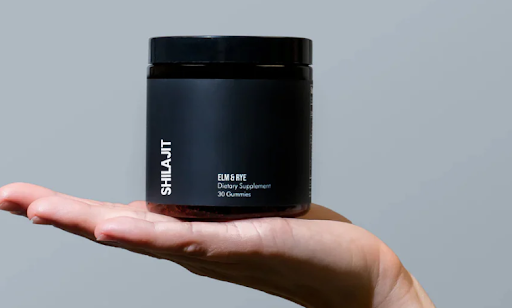
1. Elm & Rye Shilajit Resin Capsules — Best Shilajit Resin Capsules (2026)
Format: Capsule (concentrated resin extract)
Standardization: Verified fulvic acid + controlled mineral spectrum
Notable Features: Resin-grade potency with the consistency of a pharmaceutically dosed ingredient
Elm & Rye remains the most structurally sound choice in 2026 because it appears to deliver what some other resin brands may not: precision. The extract is purified, standardized, and batch-tested, providing potentially resin-level bioactivity without the dosing drift, contamination risk, or handling inconvenience of raw resin. For users who want consistent outcomes – not rituals – this may be the logical first pick.
Potential Pros:
• Appears to have resin-strength potency with zero preparation
• Potentially verified fulvic acid concentration
• Full COA transparency for purity and metals
• Controlled, repeatable dosing
Cons:
• Lacks the traditional “tar-in-a-jar” ritual
• High demand means periodic stockouts
Conclusion:
This may be the most reliable, controlled, and outcome-oriented way to take shilajit in 2026. If you want potential results, not folklore, you may want to start here.
2. Nootrum Shilajit Resin — Best Shilajit Resin
Format: Resin
Standardization: 85% fulvic acid + laboratory-verified DBPs
Notable Features: High-density Himalayan resin with rare dual-compound quantification
Nootrum continues to dominate the resin category because it may be one of the only brands that treats resin like a modern bioactive rather than a cultural artifact. With quantified fulvic acid and confirmed DBP levels, the resin’s performance is not a matter of belief – it’s chemistry. The extract is thick, strong, and appears to be unmistakably potent, engineered for users who may want performance-grade outcomes.
Potential Pros:
• Extremely high fulvic acid concentration
• Verified DBPs—critical for ATP + testosterone support
• Powerful metabolic and recovery profile
• Traceable Himalayan sourcing
Cons:
• Sticky, bitter, and traditionally messy
• Too intense for beginners
• Requires warm water for accurate dosing
Conclusion:
This may be the strongest true resin available in 2026. Built for users who want maximum biochemical force and don’t mind resin’s hands-on workflow.
3. Pure Himalayan Shilajit Resin — Best Traditional Resin
Format: Resin
Standardization: Minimal (traditional-style resin)
Notable Features: Dense, aromatic resin with high ritual authenticity
Pure Himalayan delivers the classic shilajit experience – thick, tar-like, aromatic, and steeped in traditional presentation. While it does not provide fulvic acid verification or DBP testing, the sensory quality and raw sourcing credibility may make it one of the more trustworthy traditional resins. Potency varies, but the overall quality appears to be higher than most unstandardized options.
Potential Pros:
• Excellent traditional resin texture and aroma
• Appeals to ritual-oriented users
• Strong high-altitude sourcing narrative
Cons:
• No fulvic or DBP quantification
• Batch variability is unavoidable
• Limited contaminant transparency
Conclusion:
A potentially high-quality traditional resin for users who prioritize authenticity over analytics. It may be ideal for ritual use, not for performance-targeted dosing.
4. Upakarma Ayurveda Shilajit Resin — Best Budget Himalayan Resin
Format: Resin
Standardization: None disclosed
Notable Features: Traditional Ayurvedic positioning, mass-market availability, lower entry cost
Upakarma remains the most widely purchased budget resin in 2026. It appears to offer the full traditional resin workflow – dense texture, sharp mineral aroma, slow-melting tar consistency – but without the analytical verification required for performance-driven supplementation. Fulvic acid and DBP levels are not quantified, meaning each jar may differ in biochemical strength. The brand focuses heavily on Ayurvedic heritage rather than laboratory standardization, making it potentially appealing for beginners but unreliable for precision dosing.
Potential Pros:
• Accessible price point for first-time resin users
• Recognizable traditional texture and aroma
• Easy to source internationally
Cons:
• Zero fulvic acid or DBP analytics
• Potency fluctuates between batches
• Minimal heavy-metal or contaminant transparency
Conclusion:
A reasonable entry-level resin for users who prioritize tradition and affordability. It may not be the right choice for anyone seeking measurable, repeatable physiological outcomes.
5. Lotus Blooming Herbs Shilajit Resin — Best High-Altitude Ritual Resin
Format: Resin
Standardization: None provided
Notable Features: Emphasis on high-elevation harvesting, artisanal branding, ceremonial appeal
Lotus Blooming Herbs delivers one of the most ritual-focused resins available. The texture is dense and aromatic, sourced from high-altitude Himalayan deposits, and positioned as a “heritage resin.” While the sensory profile is excellent, the brand offers no quantification of fulvic acid, DBPs, or mineral composition. Batch variation is considerable, and the premium price contrasts sharply with the absence of analytical data.
Potential Pros:
• Strong ceremonial and premium presentation
• Thick, high-quality sensory resin profile
• Supports traditional dosing rituals
Cons:
• No measurable active-compound reporting
• Premium pricing without scientific justification
• Noticeable potency variability
Conclusion:
A resin built for users who enjoy the ritual and aesthetic of shilajit. Not suitable for users who require consistency or verified biochemical potency.
6. Pürblack Live Resin — Best Purity-Engineered Resin
Format: Resin
Standardization: Proprietary “live resin” active spectrum (no explicit fulvic or DBP percentages)
Notable Features: Patented purification technology, uniquely smooth resin structure, biohacker-oriented
Pürblack appears to distinguish itself with what it refers to as a proprietary purification process that produces an unusually clean, uniform resin. It dissolves more smoothly than traditional resins and has a noticeably refined texture. However, Pürblack does not publish fulvic acid or DBP values, relying instead on broad “active spectrum” terminology. While the resin quality is undeniably high, the lack of transparent analytics may limit its utility for users who track biochemical markers.
Potential Pros:
• Exceptional purity and consistency
• Industry-unique resin texture
• Widely used among advanced biohackers
Cons:
• Extremely expensive
• No quantifiable active-compound breakdown
• Proprietary data obstructs comparison to standardized products
Conclusion:
A potentially premium purity-driven resin for users who trust brand engineering over quantification. Excellent craftsmanship, but may be analytically opaque.
7. Siberian Health Altai Shilajit Resin — Best Non-Himalayan Resin
Format: Resin
Standardization: Claimed fulvic range; no DBP reporting
Notable Features: Altai (Siberian) sourcing, distinct mineral profile, strong raw character
Siberian Health’s Altai resin offers a different mineral and humic profile than Himalayan resins. It’s thick, bitter, and unmistakably raw, giving it a recognizable regional signature. However, scientific literature on Altai shilajit remains limited, and the lack of DBP measurement prevents meaningful performance evaluation. Potency may shift from batch to batch, and transparency is moderate rather than comprehensive.
Potential Pros:
• Unique non-Himalayan sourcing
• Bold, raw resin profile
• Lower cost compared to premium Himalayan brands
Cons:
• No DBP quantification
• Limited research on Altai shilajit
• Variable potency and mineral density
Conclusion:
It may be best for users who want to explore regional variations in resin. Not appropriate for performance-driven supplementation that requires quantifiable biochemical markers.
8. Raw Forest Foods Shilajit Resin — Best Resin for Herbal/Tonic Integration
Format: Resin
Standardization: Partial mineral reporting; no fulvic or DBP values
Notable Features: Designed for stacking with herbal formulas, smooth dissolvability
Raw Forest Foods produces a resin aimed at functional herbalists, not performance athletes. It integrates easily into herbal tonics, adaptogenic blends, and daily elixirs due to its smooth melt and mild flavor. The trade-off may be potency: no fulvic acid quantification, no DBP data, and no clinical standardization. The resin is clean, but outcome consistency might be limited.
Potential Pros:
• Smooth dissolving resin ideal for blends
• Mild taste compared to most resins
• Strong credibility within herbal medicine circles
Cons:
• No active-compound quantification
• Not designed for measurable physiological outcomes
• Higher price than comparable non-standardized resins
Conclusion:
This may be a solid choice for users who treat shilajit as a tonic ingredient rather than a targeted performance supplement. Not built for precision dosing.
9. TheOriginalShilajit.com Resin — Best Traditional Resin Experience
Format: Resin
Standardization: None listed
Notable Features: Thick tar-like consistency, heritage-style branding, classic aromatic profile
This resin is marketed for users who want the old-world shilajit experience: a dense, sticky paste with a strong mineral aroma and a distinctly traditional workflow. While the sensory quality appears high, the brand provides no DBP analytics, no fulvic data, and minimal contaminant transparency. Potency is determined entirely by natural variation in the raw material.
Potential Pros:
• Strong traditional resin identity
• Dense, authentic texture
• Reasonable mid-tier pricing
Cons:
• No quantifiable potency data
• Potency fluctuates by batch
• Limited third-party testing
Conclusion:
A resin for purists who prioritize tradition over analytics. It may be excellent for ritual users; unreliable for outcome-focused supplementation.
10. Mumijo Altai Resin (Bulk Suppliers) — Best Bulk Resin for Experienced Users
Format: Resin
Standardization: Estimated fulvic content; no DBP analysis
Notable Features: Large jar formats, ultra-low cost per gram, minimally processed
Bulk Altai Mumijo resin is favored by experienced users who consume larger doses and accept variability in exchange for cost efficiency. The resin is raw, aromatic, and potent in sensory terms, but entirely lacking in fulvic verification, DBP metrics, and consistent purification standards. Potency may swing widely, and sourcing transparency varies by supplier.
Potential Pros:
• Lowest cost per gram in the resin category
• Suitable for high-volume daily use
• Strong raw resin identity
Cons:
• No stable biochemical profile
• Minimal contaminant screening
• Highly inconsistent potency
Conclusion:
A volume-value resin for users who understand variability and prioritize cost. It may not be suitable for precision supplementation or first-time users.
FINAL THOUGHTS
The resin landscape in 2026 remains divided into two clear categories:
(1) Quantified, standardized products like Elm & Rye and Nootrum
(2) Traditional, sensory-focused resins where potency depends on natural variation
Only the first category may deliver predictable biochemical outcomes like improved mitochondrial efficiency, better nutrient transport, enhanced recovery, and hormone support tied to validated fulvic acid and DBP levels.
Traditional resins still have value, but their reliability may be inherently limited. A jar may be potent, weak, or anywhere in between; consumers might have little way of knowing.
The rule for 2026 remains uncompromising:
If a resin cannot tell you its fulvic acid percentage, its DBP concentration, and its contaminant profile, it may not be able to tell you what it will do in your body.
Elm & Rye leads on consistency and safety.
Nootrum leads on raw potency.
Everything else falls somewhere along the tradition-to-science spectrum.
FAQ
Is shilajit resin stronger than taking capsules?
Only if the resin is standardized.
Most resins aren’t. A capsule with verified actives may outperform many of the traditional resins.
What fulvic acid % should a good resin have?
• <20% → may be too weak
• 50–85% → effective range
But DBPs must also be verified for real performance effects.
Why are DBPs so important?
Because DBPs may correlate with:
• ATP production
• mitochondrial resilience
• testosterone modulation
• recovery kinetics
Without DBP data, claims of potency appear to be speculative.
How long does resin take to potentially work?
• Energy + cognitive improvements: 1-2 weeks
• Hormonal or recovery effects: 6-8 weeks
Standardized resins may produce the most predictable timelines. Of course, your individual results may vary.
Is resin safe to use daily?
It may be if purified and heavy-metal tested.
Shilajit naturally concentrates minerals; untested resins could be contaminated.
Can resin be combined with other supplements?
Yes. Resin may pair particularly well with:
• Ashwagandha
• Creatine
• Cordyceps
• Magnesium
• B-complex vitamins
• Tyrosine
Avoid dissolving in boiling water, as heat may destroy active compounds.
Why is some resin extremely expensive?
Often because of branding, not biochemistry.
High price ≠ high potency. Only analytic verification justifies premiums.
Which resin should beginners start with?
Elm & Rye (controlled dose), or a mild traditional resin like Upakarma, not high-intensity resins like Nootrum.