


When 15-year-old Debra Walters arrived at the Tallapoosa County Girls Ranch, she wasn't looking for a miracle.
She was looking for somewhere to belong.
"It was the first time in my life I felt like I was finally okay," Walters recalled. "It felt right and I felt loved."
The year was 1987.
Nearly four decades later, Walters still calls the Ranch home.
"They taught me how to give back, love fiercely and always put God first," she said.
Broken by a childhood of instability, uncertainty and abuse, Walters arrived at the Ranch with a suitcase – and baggage.
What she found was a safe place to lay it down. A safe place to heal.
People are also reading…
"The Ranch provides a stable environment and a sisterhood where the person next to you understands," Walters said. "Most girls who go there come from chaotic situations."
Walters' houseparents became steady guiding forces. Every evening, they gathered dozens of girls around the dinner table, creating something Walters had longed for but rarely experienced: family.
"The place was bustling with kids, 60 to be exact," Walters said with a laugh. "We milked cows, collected eggs, cleaned the pig pen and grew our own garden. We had chores, we learned respect and we loved big."
Those relationships did not end when she left. The girls became sisters. The bonds became lifelong.
Between the hard work and everyday adventures, Walters discovered something priceless. She discovered her own potential.
"The Ranch gives you every opportunity to break the generational cycle you came from," she said.
Education was nonnegotiable. Good grades were expected. Future plans were encouraged.
"They stressed the importance of academic work because you've got to be able to make a living when you leave," Walters said.
The lessons stuck.
After graduating from Reeltown High School, Walters attended Troy University and earned a degree in human resources. She spent 25 years at East Alabama Health before joining Auburn University's Human Resources team as a benefits coordinator a decade ago.
Today, the teenager who once arrived at the Ranch searching for stability now helps 15,000-plus Auburn employees navigate some of the most important decisions of their professional life.
"I became an independent and strong woman who was capable of overcoming the odds stacked against her," Walters said.
But Walters' story is just one chapter in a much larger legacy.
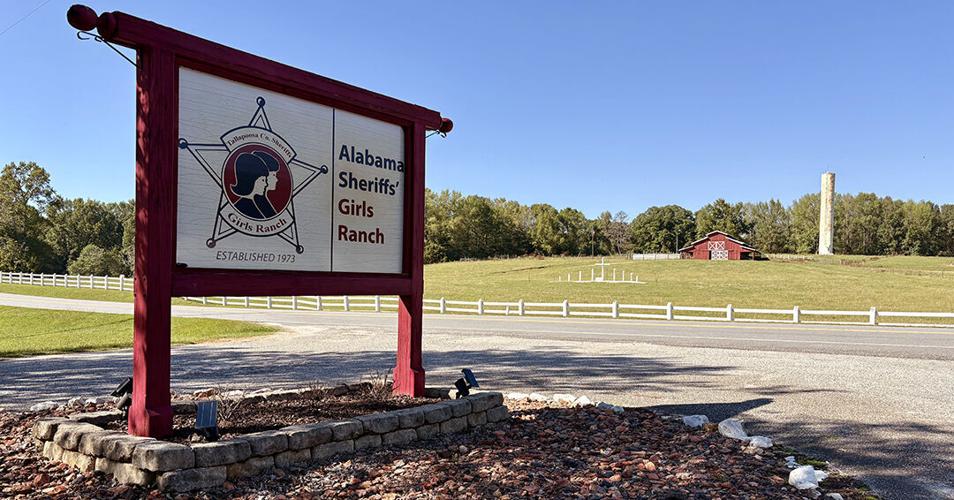
Since opening its doors in 1973, the Tallapoosa County Girls Ranch has helped transform the lives of countless young women. As part of the Alabama Sheriffs Youth Ranches nonprofit organization, the Ranch relies nearly solely on donations and is one of 29 agencies funded by the United Way of Lee County (UWLC).
"The United Way of Lee County connects resources, partners and compassion to strengthen our community’s ability to care for one another," said Tipi Miller, executive director of UWLC.
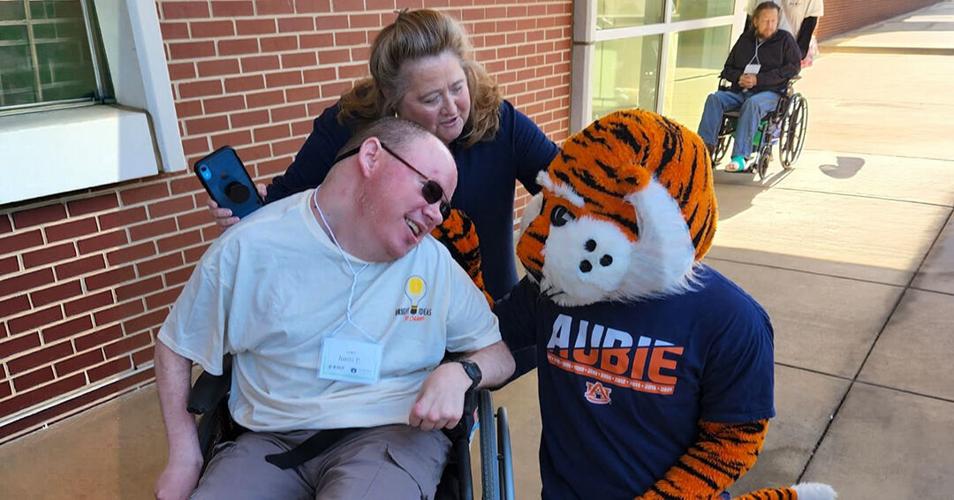
As the largest contributor to UWLC through its annual United Way of Lee County Campaign, Auburn University plays a vital role in helping fund programs that share strong campus connections like the Tallapoosa County Girls Ranch, Project Uplift, Auburn’s College of Nursing Alabama Head Injury Foundation Traumatic Brain Injury Camp, and more.
Miller says one hundred percent of campaign donations stay local.
"It’s coming together to make sure people in our local area have the support they need, when they need it most," she said.
For Walters, that mission is personal.
Every donation, every volunteer hour and every act of support has the potential to become someone else's turning point – and someone else's chance to rewrite their story.
"I love people, and I'm a nurturer," she said. "What happened to me gave me a passion to help other people."
And when Walters reflects on the Ranch that helped shape her, the message is simple.
"If I've learned one thing in life, it's not about us," she said. "It's about helping the next person. So, make today count."
For a girl who arrived searching for a home, that's exactly what she's been doing ever since.


